
The Cartographer's Compass: How Beakio Treats Every Choice as a Permanent Mark
A deep look at the memory system that inks your decisions into the game's geography, and why no two expeditions will ever read the same.
Lena Ashford· 2025-05-12· 6 min

A quiet exploration game about maps that remember choices.
A few of the principles that shape life on the salt-trace routes.
The map learns your routes. Earlier journeys appear as faint phosphorescent trails beneath the current topography, allowing you to retrace steps or consciously forge new ground. Every loop, dead end, and shortcut is recorded in the land's memory.
Correspondence is both cargo and compass. A letter from a lighthouse keeper might open the storm-locked gate. An unsigned note found in a bottle might contain coordinates to a hidden atelier. What you choose to carry changes what the map reveals.
The artifacts you equip are not weapons. A mnemonic compass shows paths you've forgotten. A tideglass lens reveals hidden dialogues written in salt on walls. A courier's wax seal allows you to leave a permanent mark on the world for others to find.
Dialogue is absent. Storytelling is environmental: the angle of a fallen bookshelf tells a story of haste; the pattern of worn stones on a staircase tells of daily routine. The world is a quiet archive of millions of small human moments.
The world shifts between the Salt Season and the Rain Season. During Salt, paths crystallize and become brittle but clear. During Rain, the tide rises, submerging low roads and revealing eroded paths through the cliffs. The map changes, and so must your route.
Field notes, map fragments, and dispatches from the world of Beakio.
A deep look at the memory system that inks your decisions into the game's geography, and why no two expeditions will ever read the same.
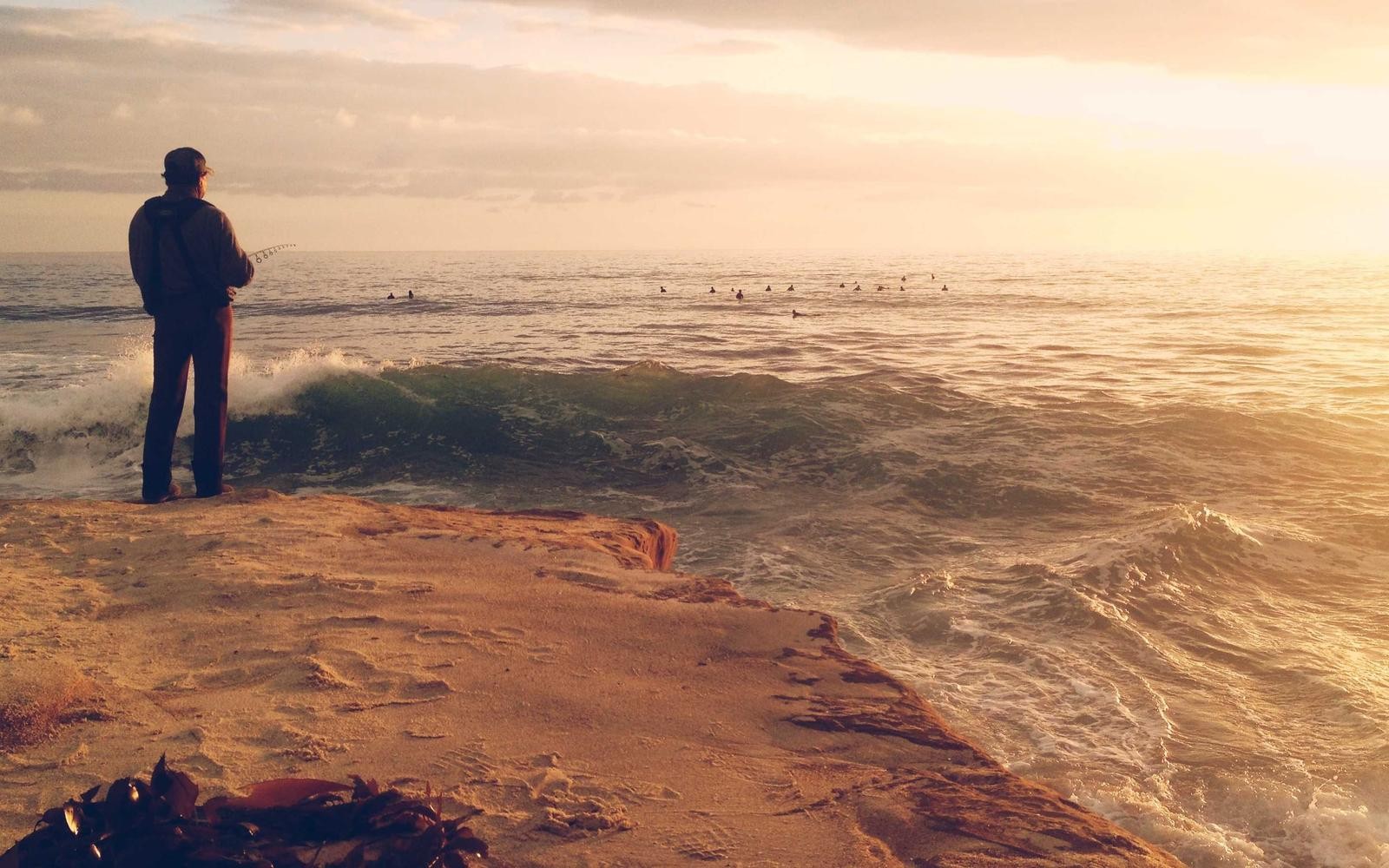
Why the absence of a constant score forces players to listen to the land, and how ambient cues replace traditional musical cues.

The first in a series of dispatches cataloging the submerged ruins, tidal markers, and forgotten lighthouses of the game's eastern edge.
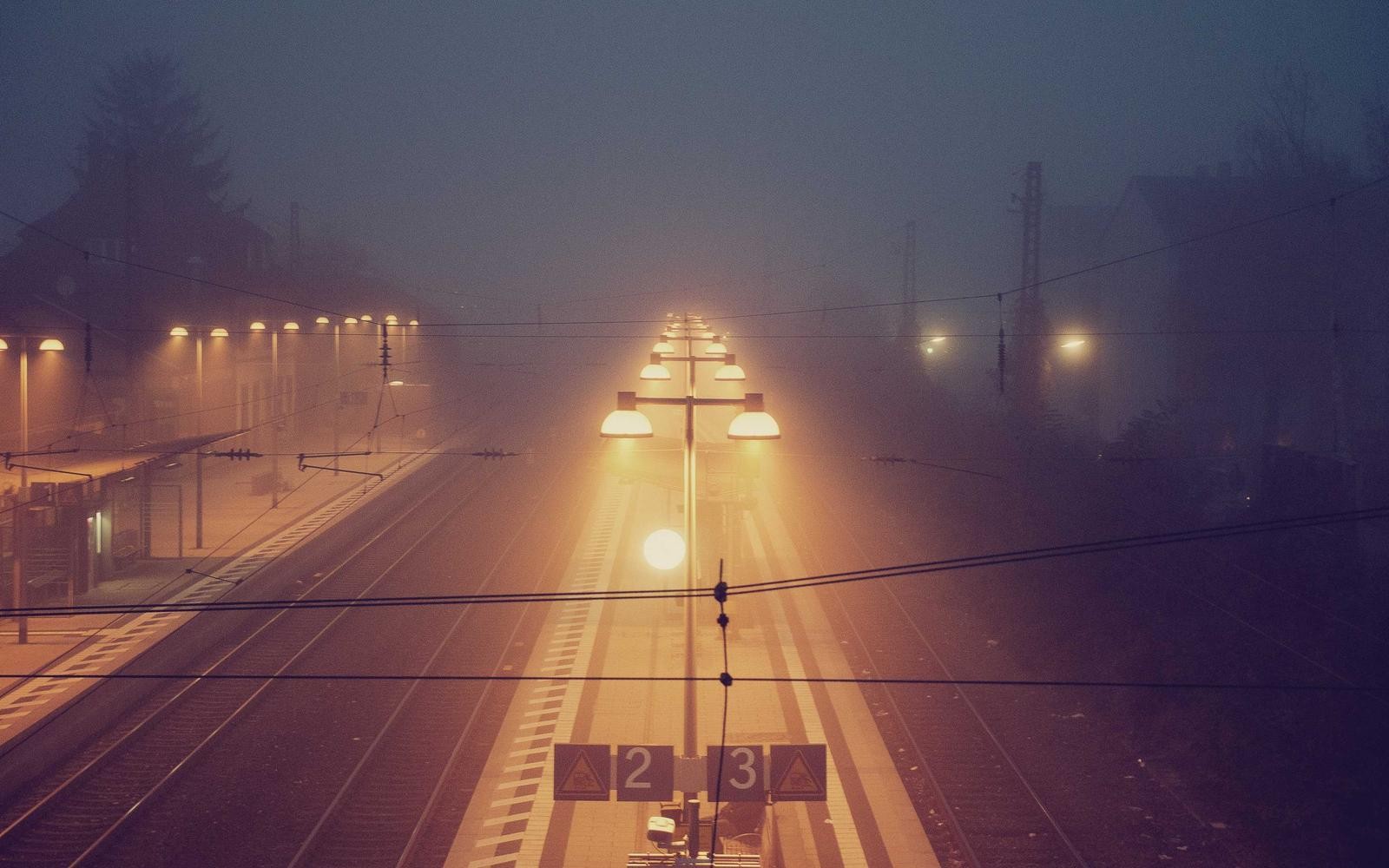
An honest timeline of upcoming biomes, narrative chapters, and quality-of-life improvements informed by player cartography.

We sit down with lead designer Noa Chen to talk about keeping a small team's vision focused on permanence, exploration, and emotional resonance.
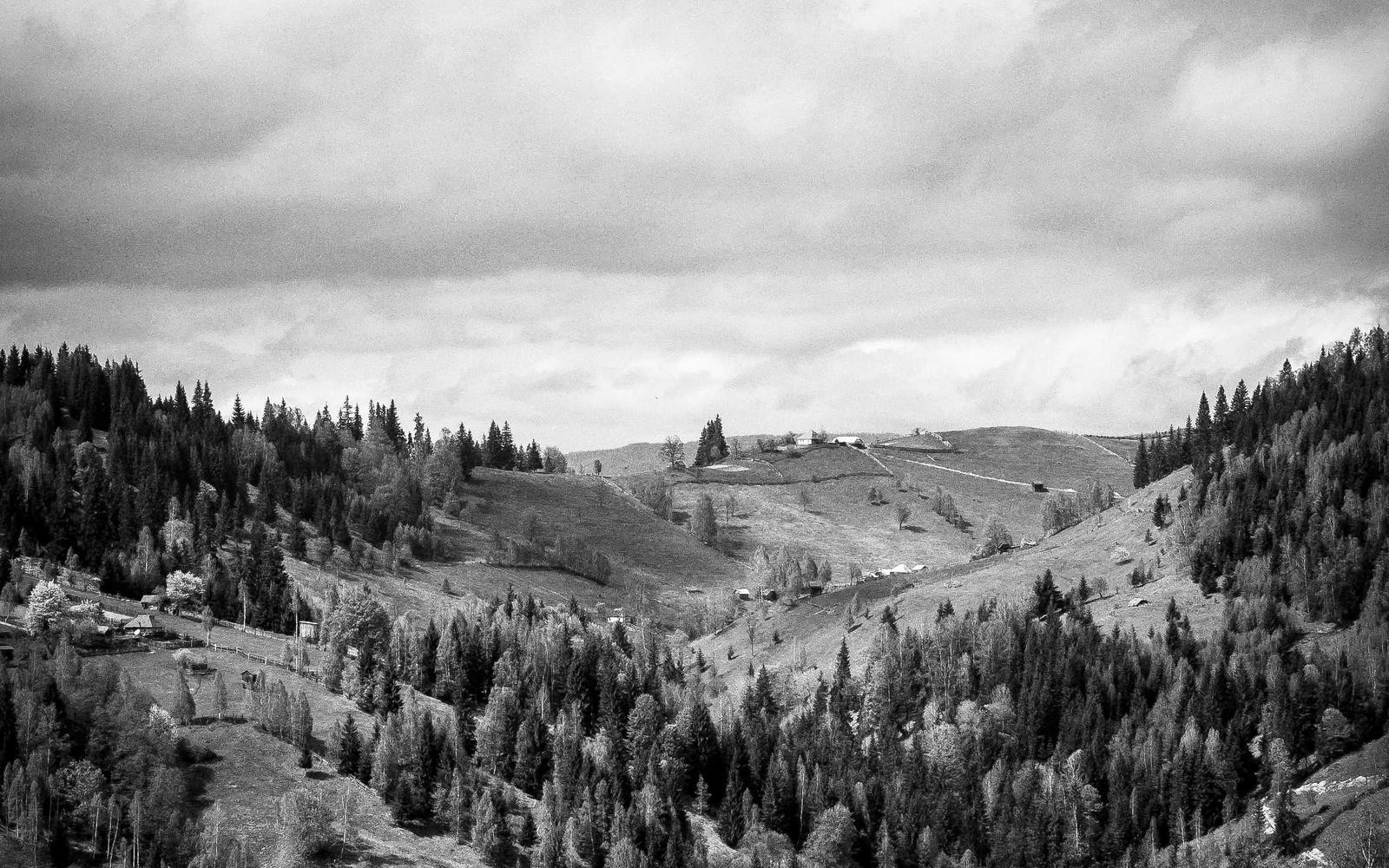
A closer look at the hand-drawn iconography used in-game—each glyph a memory of something that happened there.

Highlighting remarkable maps shared by players, and how the in-game system encourages shared storytelling without spoilers.

A retrospective on the three-year journey from a small game jam prototype to the full exploration game launching today.
Beakio is a game about the quiet art of wayfinding. Set in the hand-painted world of the Mirrored Shallows, you play a courier delivering memories across a fractured archipelago. Every path you walk is etched into your journal, creating a unique map that remembers your choices. The world responds to the routes you favor, the sites you revisit, and the paths you abandon. There are no enemies, only the shifting tides and the stories of the people you meet. It is an invitation to get lost, to read the landscape, and to leave your mark on a world that listens.
Everything you might wonder about Beakio.
Beakio is a quiet exploration game where you navigate a shifting archipelago, delivering messages that reshape the world. Each route you take leaves a mark on the map, and every choice echoes across future journeys.
In Beakio, the map is not a static guide—it's a living document. As you travel, the map records the paths you've taken, the messages you've delivered, and the characters you've encountered. These traces alter the landscape, opening new routes or closing old ones.
We are currently in late development. A release date hasn't been announced yet, but we're aiming for early next year. Follow our blog for updates.
Beakio will launch on PC (Steam) and macOS. Console versions are under consideration based on community interest.
A quiet exploration game about maps that remember choices. Wishlist on Steam, play the prologue, or subscribe to future dispatches.